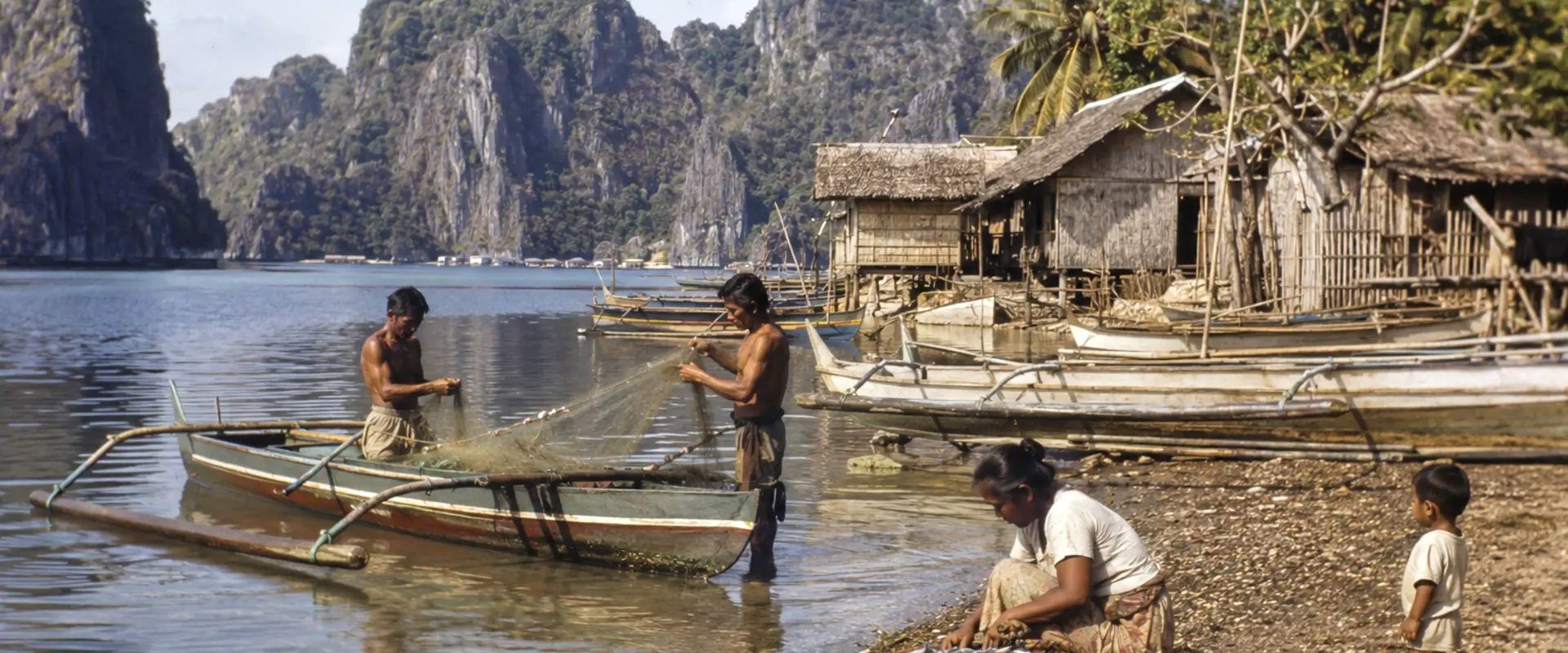
Today, Coron is known around the world for dramatic limestone cliffs, turquoise lagoons, spectacular diving and island-hopping adventures.
But long before the first tourists arrived, Coron already had a story.
And much of that story begins with the sea.
Before Coron Was a Tourist Destination
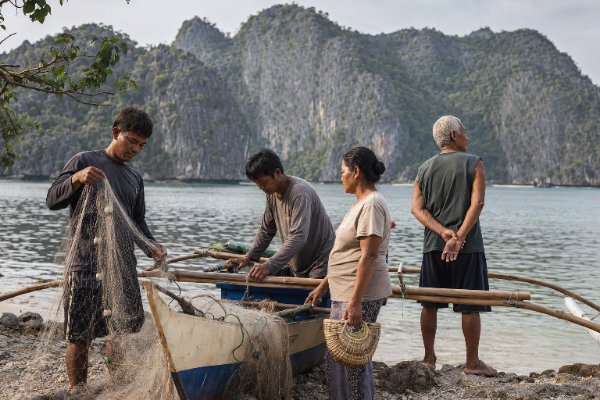
The earliest inhabitants of Coron were the Tagbanua, whose communities lived from the sea, fishing and agriculture. Indigenous presence remains an important part of Coron today, particularly on Coron Island, where ancestral lands and waters continue to be managed by Tagbanua communities.
This is something visitors can easily overlook.
Some of the landscapes tourists photograph today are not simply attractions. They form part of a living cultural landscape that has supported communities for generations.
Where Did the Name “Coron” Come From?
Even the origin of the name has more than one story.
According to the Municipality of Coron, one version says “Coron” comes from a Cuyonon word for an earthen pot, supposedly inspired by the shape of Coron Bay.
Another explanation traces the name to a Tagbanua word meaning “enclosed,” describing an area surrounded on three sides by mountains, associated today with Banuang Daan.
Both stories reflect something important about Coron: its history was shaped by different peoples moving between the islands of northern Palawan.
From Settlement to Town
During the Spanish colonial period, settlers arrived from places including Cuyo, Cagayancillo and the Visayas.
In 1749, an organized local government was established and the settlement became known as Peñon de Coron, under the jurisdiction of Culion.
In 1902, Coron was formally registered as a town and its name became simply Coron.
But the Coron of that period looked very different from the tourism town visitors see today.
Mining, Fishing and War
Before tourism became the major economic activity, people came to Coron for other opportunities.
Mining expanded significantly in the late 1930s, particularly because of the area's mineral resources. During World War II, Japanese forces occupied local mining areas and continued manganese extraction.
Then came an event that would unexpectedly shape Coron's tourism industry decades later.
During World War II, Japanese ships were sunk around the Calamianes.
Those vessels eventually became part of Coron's underwater landscape.
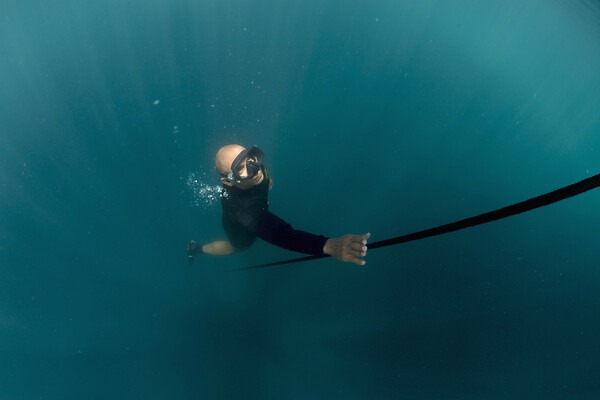
What was once evidence of war is today one of the reasons experienced divers travel thousands of kilometres to visit Coron.
After the war, another industry expanded: deep-sea fishing. Beginning around 1947, fishermen and workers arrived from different parts of the Philippines looking for opportunities.
Coron continued to grow.
Then the World Discovered Coron
Eventually, travellers began discovering what local communities had always lived beside: extraordinary limestone islands, hidden lakes, coral reefs, white beaches and remarkably clear waters.
Better transportation made the destination increasingly accessible. The airport serving the area would eventually become Francisco B. Reyes Airport, named after a former Coron mayor who donated the land on which it was built.
Guesthouses became hotels. Small boat trips developed into organized island tours. Diving expanded around the wartime wrecks.
And Coron gradually transformed into one of the Philippines' best-known island destinations.
Coron Is More Than the Photograph
Perhaps the most interesting thing about Coron is that its story is still being written.
Tourism has brought jobs, businesses and opportunities, but it also creates pressure on the environment, communities and resources that make Coron special in the first place.
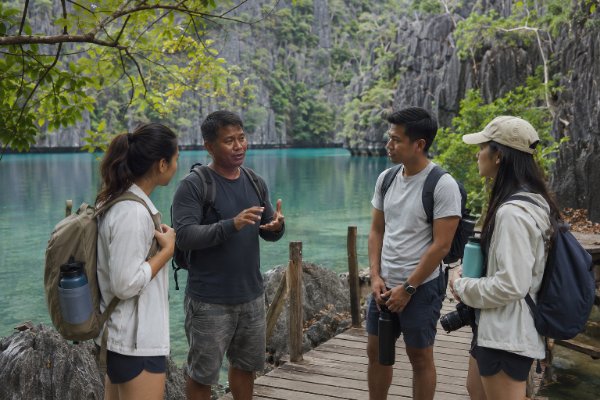
So when you stand at the viewpoint above Kayangan Lake, swim beneath Coron's limestone cliffs or cross the bay aboard a bangka, remember that you are visiting more than a beautiful destination.
You are visiting a place shaped by Indigenous communities, migration, fishing, mining, war, conservation and eventually tourism.
The lagoons may be what bring you to Coron.
Understanding the people and history behind them may change the way you experience it.
Discover more about the people, places and stories of Coron on ilovecoron.com.