When you visit Kayangan Lake, Barracuda Lake and the spectacular limestone landscapes of Coron Island, you are not simply visiting tourist attractions.
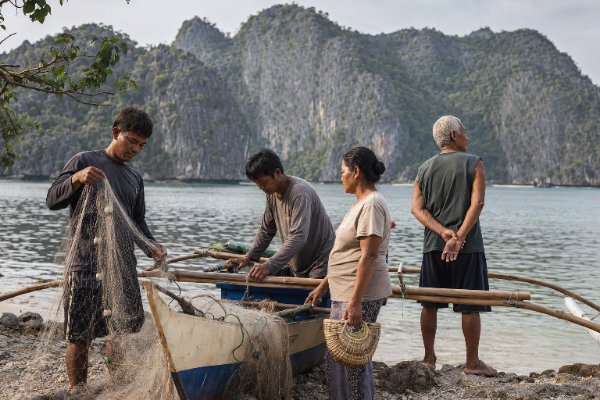
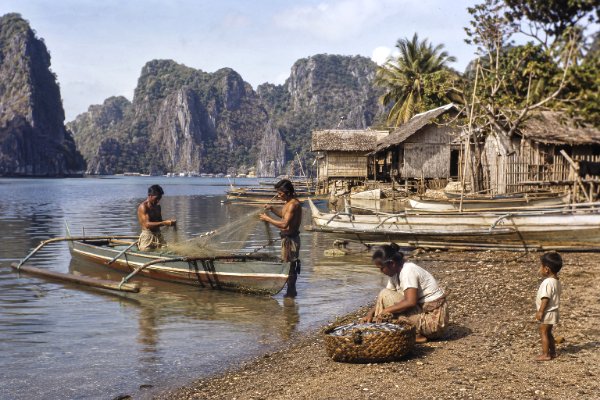
You are entering the ancestral domain of the Tagbanua people.
More Than a Tourist Destination
The Tagbanua have lived on and managed Coron Island and its surrounding waters for generations.
Their ancestral domain is legally recognized, and many of the lakes, forests, beaches and marine areas have important cultural and spiritual significance.
Some places remain sacred and are not open to visitors at all. Kayangan and Barracuda are among the limited lakes where tourism is permitted.
Respect Their Rules
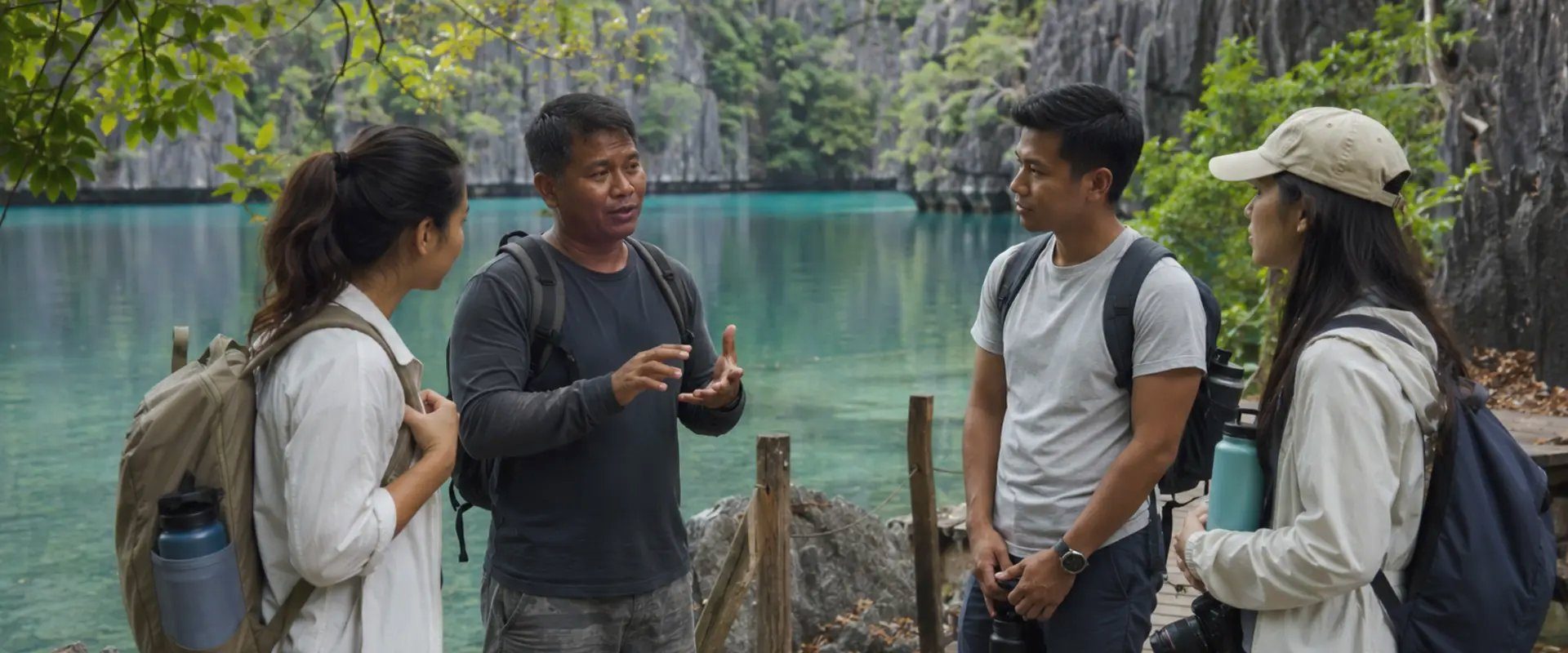
When visiting Tagbanua ancestral areas, remember that you are a guest.
Follow your guide and all community regulations. Stay within designated visitor areas. Never enter restricted locations simply to explore or take photographs.
Avoid leaving rubbish, damaging coral, disturbing wildlife or removing shells, rocks or anything else from the environment.
Keep noise respectful, particularly around communities and culturally significant places.
And if you're photographing local residents, ask permission first.
Where Do Your Entrance Fees Go?
The fees collected at community-managed tourism sites aren't simply another tourist charge.
Tourism has become an important source of income for the Tagbanua community, while community management helps protect culturally important places and the fragile environment that visitors have come to experience.
Visit Coron as a Guest
The extraordinary landscapes of Coron have survived partly because generations of Tagbanua people have protected them.
Enjoy the lakes. Take your photographs. Swim, explore and appreciate the scenery.
But remember whose home you are visiting.
Travel with respect. Leave nothing behind. And help keep Coron beautiful for the generations that come after you.
Want to understand where your Coron environmental and entrance fees go? Read our guide to Coron’s island and conservation fees.