The Calamian Tagbanwa: The People Behind Coron Island
Millions of photographs have been taken of Coron Island.
Its towering limestone cliffs, Kayangan Lake and hidden lagoons have become some of the most recognizable images of Palawan.
But there is something every visitor should understand:
Coron Island is not simply a tourist attraction. It is an ancestral homeland.
The Indigenous People of Coron Island
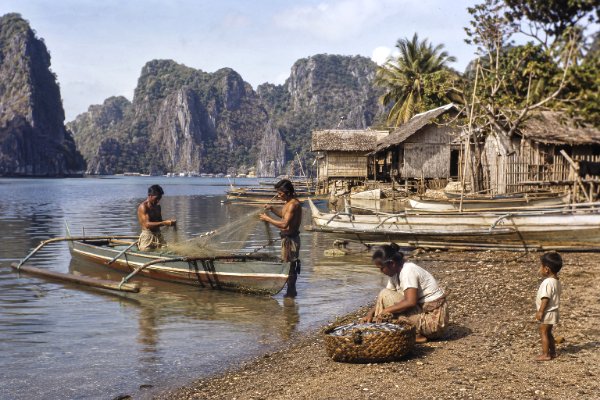
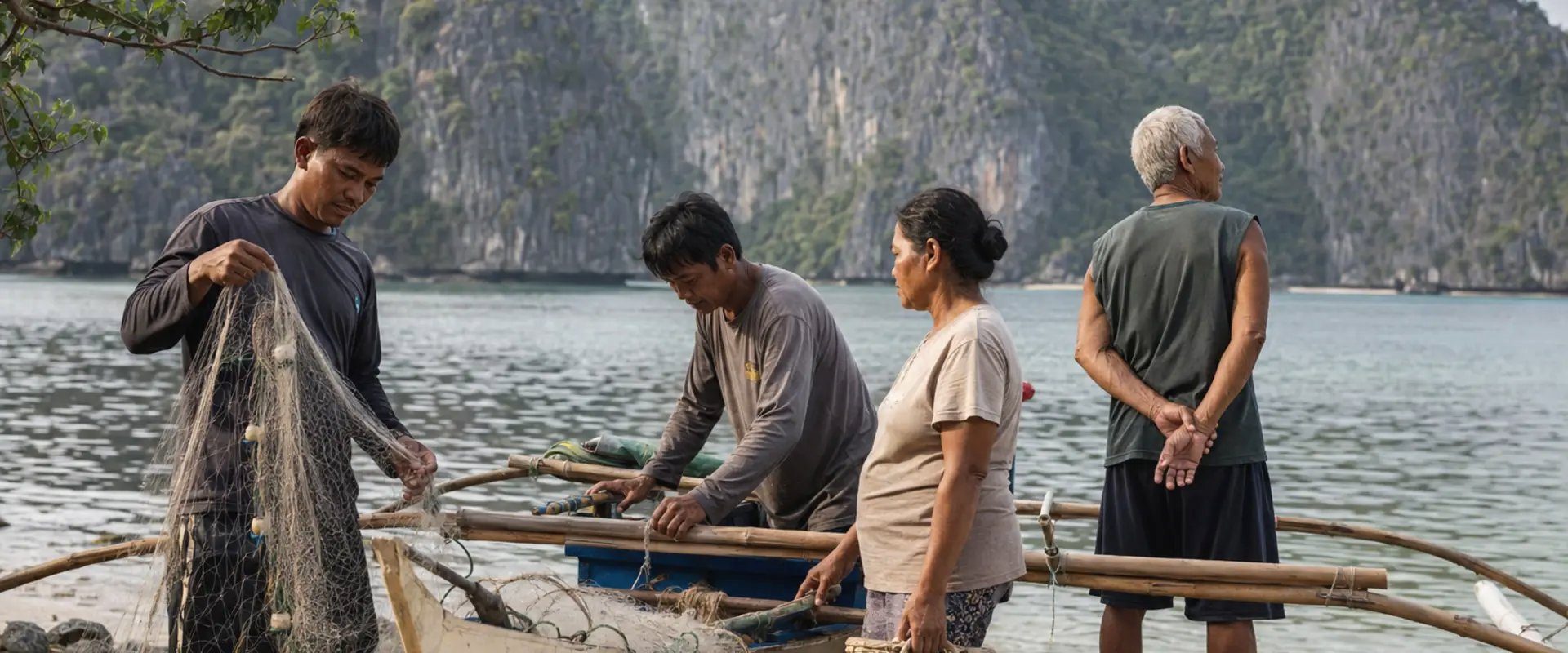
The Calamian Tagbanwa are one of the Indigenous peoples of northern Palawan and have lived from the lands and waters of the Calamianes for generations.
Their traditional way of life has been closely connected to the sea. Fishing grounds, reefs, lakes, forests, caves and coastal areas are not separate resources—they form part of one interconnected territory.
This helps explain something unusual about Coron Island.
The ancestral domain of its Indigenous community does not stop at the shoreline.
It includes the surrounding waters.
A Landmark Fight for Ancestral Waters
During the 1980s and 1990s, the Calamian Tagbanwa faced increasing pressure on the resources upon which their communities depended.
They began documenting their traditional territory using oral histories, community maps, GPS surveys and even a three-dimensional model of Coron Island.
Their efforts became historically important.
In 1998, the government formally recognized approximately 22,000 hectares of Coron Island's ancestral lands and waters. The claim was later converted into a Certificate of Ancestral Domain Title under the Indigenous Peoples' Rights Act.
The case became an important example in the Philippines because it recognized that an Indigenous ancestral domain could include the sea as well as the land.
The Lakes Are More Than Beautiful Places
For tourists, Kayangan Lake and the surrounding lagoons are extraordinary places to swim and photograph.
For the Calamian Tagbanwa, some lakes and areas of Coron Island also have cultural and spiritual importance.
Traditionally, customary rules determined which areas could be used for fishing, gathering or other activities and which areas should remain protected or restricted.
As tourism increased, the community developed visitor-management measures intended to protect both the environment and the cultural integrity of important sites.
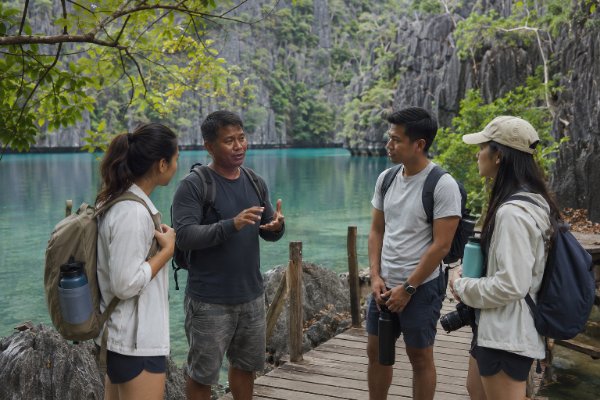
So when a guide tells you that you cannot enter a particular lake, climb somewhere, fish in an area or go beyond a certain point, there may be a much deeper reason than tourism regulations.
Tourism on Someone Else's Homeland
Visitors are welcome to experience many parts of Coron Island.
But visiting respectfully means remembering that you are entering a place where people have lived, fished, raised families and maintained traditions long before Coron became internationally famous.
Respect designated swimming areas.
Do not enter closed lakes, caves or sacred areas.
Do not leave waste.
Follow the instructions of local guides and community representatives.
And perhaps most importantly, don't think of Coron Island as an empty paradise waiting to be discovered.
It already had guardians.
A Different Way to See Coron
The Calamian Tagbanwa story adds another dimension to a visit to Coron.
Those magnificent limestone cliffs are not simply a backdrop for photographs.
The reefs are not simply snorkeling sites.
The lakes are not simply swimming pools.
They are parts of a living ancestral territory whose people fought successfully for recognition of their right to protect it.
Understanding that story doesn't make Coron less magical.
It gives the landscape meaning.
Discover more about the people, nature and stories behind the islands on ilovecoron.com.