Filipino Foods You Should Try While Visiting Coron
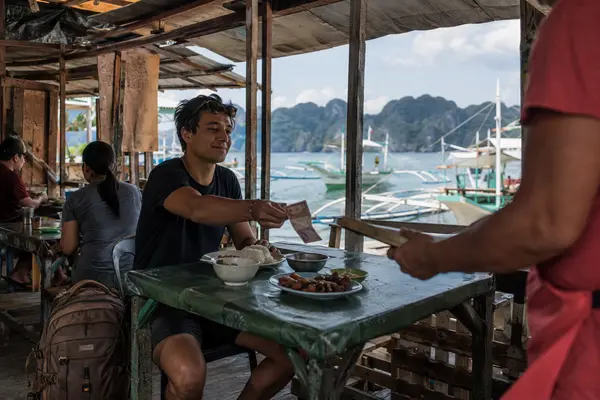
Visiting Coron is not only about lagoons, beaches, diving, and island hopping. It is also a chance to discover Filipino food.
Filipino cuisine is a mix of indigenous traditions and centuries of Malay, Chinese, Spanish, and other influences. Some dishes are familiar and comforting, while others may be completely new to first-time visitors.
Here are some Filipino specialties worth trying during your stay.
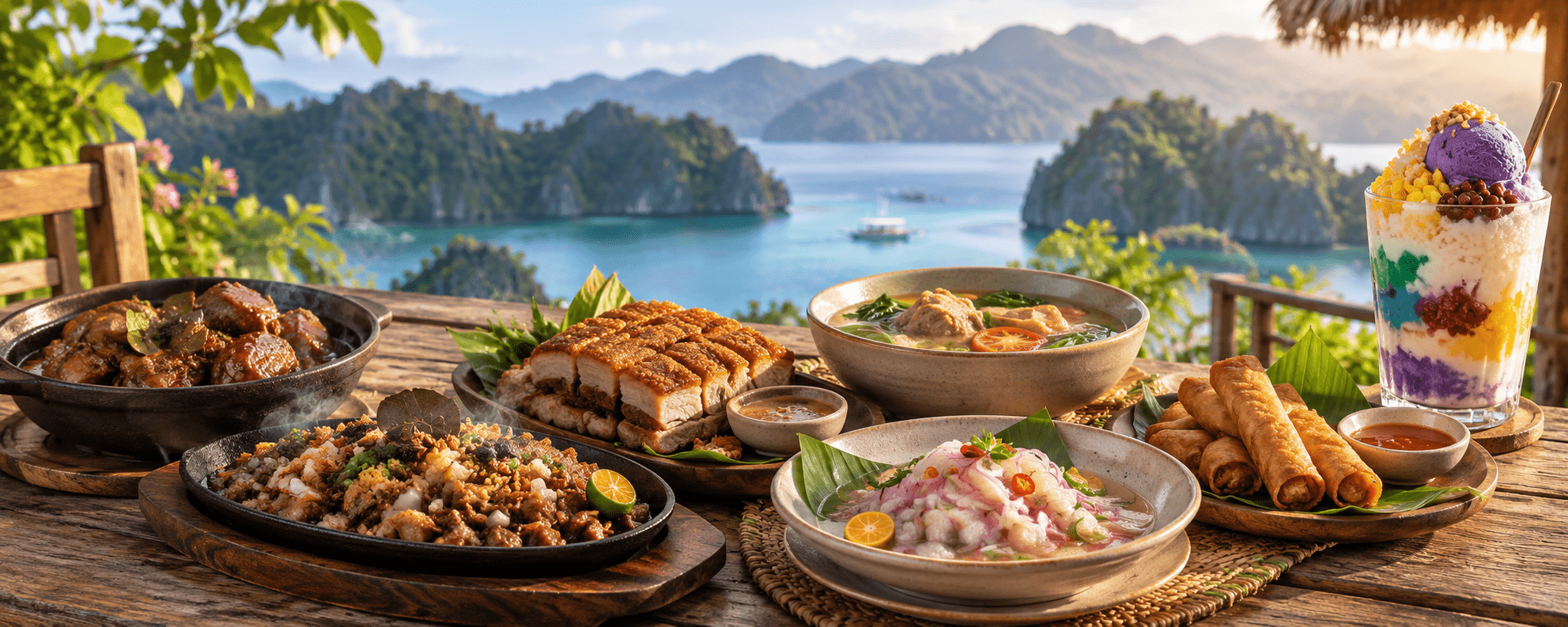
1. Adobo
Probably the best-known Filipino dish, adobo is usually made with pork or chicken slowly cooked with vinegar, soy sauce, garlic, pepper, and bay leaves.
Every family seems to have its own version. Some are salty, some slightly sweet, some dry, and others have plenty of sauce.
Good for first-time visitors: Absolutely.
2. Sinigang
Sinigang is a sour Filipino soup commonly made with pork, shrimp, fish, or beef together with vegetables.
Its characteristic sourness traditionally comes from tamarind.
It may sound unusual at first, but sinigang is one of the country's most comforting dishes, especially on a rainy day.
3. Lechon
Lechon is whole roasted pig, slowly cooked until the skin becomes crisp while the meat stays tender.
It is normally associated with celebrations, fiestas, birthdays, and family gatherings.
If you see freshly prepared lechon being served in Coron, it is worth trying—especially the crispy skin.
4. Sisig
Sisig is one of the most famous Filipino dishes to enjoy with drinks.
Traditionally made from chopped pork parts seasoned with calamansi, onion, chili, and other ingredients, it is often served sizzling hot on a cast-iron plate.
Different restaurants now serve many variations, including pork belly, chicken, tuna, and even vegetarian sisig.
5. Kare-Kare
Kare-kare is a rich Filipino stew made with a thick peanut-based sauce.
It traditionally contains beef or oxtail together with vegetables and is usually served with bagoong, a fermented shrimp condiment, on the side.
Try the bagoong cautiously at first—it is salty and intense, but it completes the dish.
6. Chicken Inasal
Chicken inasal is grilled chicken marinated with vinegar, calamansi, garlic, ginger, and spices.
It originated in the Visayas but is now popular throughout the Philippines.
It is usually eaten with rice, sometimes with chicken oil and a dipping sauce made with soy sauce, vinegar, calamansi, and chili.
7. Lumpia
Think of lumpia as the Filipino cousin of a spring roll.
The crispy version is usually filled with seasoned pork and vegetables and served with sweet chili sauce.
There are also fresh versions wrapped in a soft wrapper.
Lumpia is one of the easiest Filipino foods for children and first-time visitors to enjoy.
8. Kinilaw
If you are visiting an island destination like Coron, this should be high on your list.
Kinilaw is fresh raw fish cured in vinegar or citrus and mixed with ingredients such as ginger, onion, chili, and calamansi.
It is sometimes compared with ceviche, although the Filipino preparation and flavor profile are different.
Because Coron is surrounded by the sea, look for restaurants using fresh locally sourced fish.
9. Bicol Express
For travelers who enjoy spicy food, try Bicol Express.
It is commonly made with pork cooked in coconut milk, chili, and shrimp paste.
Creamy, salty, rich, and spicy, it is one of the stronger Filipino flavors worth discovering.
10. Laing
Another dish associated with the Bicol region, laing is made with dried taro leaves slowly cooked in coconut milk, often with chili.
It is particularly worth trying if you want a Filipino dish where vegetables take center stage.
Vegetarian versions can also be found, although you should ask whether shrimp paste or fish products are included.
11. Pancit
Pancit refers to several Filipino noodle dishes.
You may encounter pancit canton, bihon, palabok, or other regional versions.
Noodles are traditionally associated with long life, so pancit is frequently served during birthdays and celebrations.
It also makes an easy and inexpensive meal while travelling.
12. Bulalo
Bulalo is a beef soup made by slowly cooking beef shanks and bone marrow until the broth becomes deeply flavorful.
It is especially satisfying after a long day of travelling or island activities.
The marrow inside the bone is considered one of the best parts.
13. Tocino, Longganisa and Tapa
For a Filipino breakfast, look for the famous silog meals.
These usually combine garlic fried rice and egg with a main ingredient:
- Tocino – sweet cured pork
- Longganisa – Filipino sausage
- Tapa – marinated beef
You may therefore see names such as tocilog, longsilog, and tapsilog on menus.
Add a little vinegar or calamansi and you have a classic Filipino breakfast.
14. Halo-Halo
Save room for dessert.
Halo-halo literally means “mix-mix.”
It combines crushed ice, evaporated milk, fruits, sweet beans, jellies and other ingredients, usually topped with leche flan or ube ice cream.
Mix everything together before eating it.
On a hot Coron afternoon, it is particularly refreshing.
15. Leche Flan
Filipino leche flan is a dense caramel custard made primarily with egg yolks and milk.
It is richer than many European-style flans and is commonly served during celebrations.
If you like crème caramel, you will probably enjoy it.
16. Ube
Ube is the Filipino purple yam that you will see everywhere—from cakes and pastries to ice cream and traditional desserts.
Its bright purple color is natural, and its flavor is mildly sweet and slightly nutty.
For many visitors, ube becomes one of the most memorable Filipino flavors.
Feeling Adventurous?
Filipino cuisine also has some foods that are famous precisely because they challenge visitors.
Balut, a fertilized duck egg, is perhaps the most famous example.
Another is dinuguan, a savory pork stew traditionally made with pig's blood and vinegar.
You do not have to try everything to experience Filipino cuisine—but if you enjoy discovering local food traditions, these dishes certainly make for a story.
A Small Tip When Eating in Coron
Do not judge Filipino cuisine from only one restaurant.
Recipes vary enormously between families, provinces, and cooks. An adobo from one restaurant may taste completely different from the next.
Ask local residents what they personally eat and where they eat it.
Some of the most memorable Filipino food may come from a small carinderia rather than an expensive restaurant.
And wherever you eat, try something unfamiliar.
After all, discovering Coron is not only about what you see.
It is also about what you taste.
Because I Love Coron.