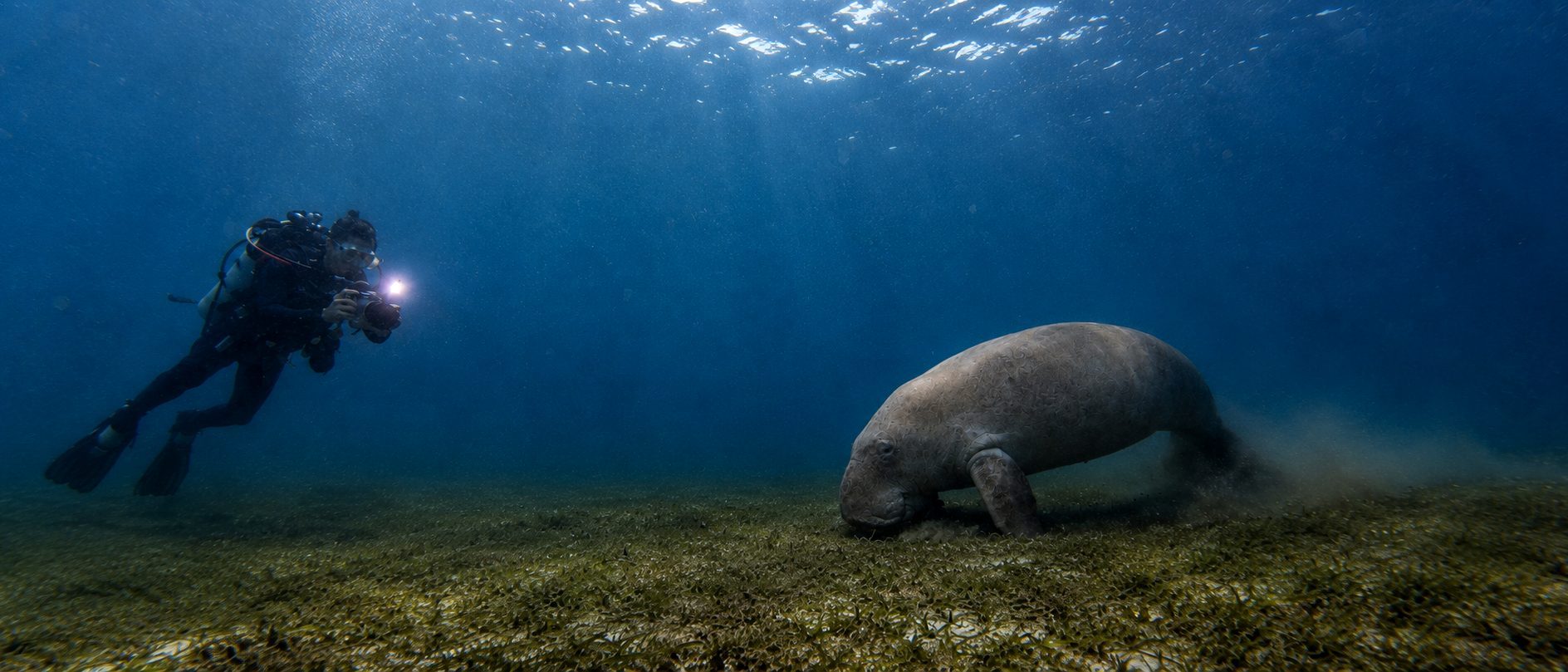
Discovering the Wonders of Dugong Watching
Beyond its famous limestone cliffs, turquoise lagoons, and world-class diving sites, Coron is also home to remarkable marine wildlife. Among the most fascinating creatures found in Palawan’s waters is the dugong—a peaceful marine mammal that spends most of its life grazing on seagrass beds beneath the surface.
Often referred to as a "sea cow," the dugong is closely related to the manatee and is considered vulnerable due to habitat loss, boat strikes, and human disturbance. Coron's coastal ecosystems provide important habitat for these gentle animals, making responsible wildlife viewing essential.
Understanding Dugongs
Dugongs are slow-moving herbivores that feed almost exclusively on seagrass. They typically surface briefly to breathe before returning underwater, making sightings relatively rare and special.
Unlike dolphins, dugongs are generally shy and prefer calm environments. Sudden noise, fast-moving boats, or swimmers approaching too closely can cause stress and disrupt their natural behavior.
Wildlife Distancing Matters
One of the most important principles of responsible wildlife tourism is maintaining a respectful distance from animals.
Visitors should never chase, surround, touch, feed, or attempt to ride a dugong. Boats should reduce speed when wildlife is present and avoid positioning themselves directly in the animal’s path. Allowing the dugong to move naturally helps minimize disturbance and provides a safer experience for both visitors and wildlife.
Patience is often rewarded. Quiet observation from a respectful distance often results in better wildlife encounters and more natural behavior to observe.
Responsible Photography
Photographers and wildlife enthusiasts should prioritize the animal’s welfare over obtaining close-up images. Zoom lenses and respectful observation are preferable to approaching wildlife.
Flash photography, loud noises, and aggressive pursuit should be avoided. The best wildlife photographs often come from observing animals behaving naturally within their environment.
Supporting Conservation
Healthy seagrass beds are essential to dugong survival. Visitors can contribute to conservation efforts by avoiding damage to shallow seagrass areas, disposing of waste properly, and choosing responsible tour operators that follow environmental guidelines.
Local conservation programs throughout Palawan continue to work with communities, researchers, and tourism stakeholders to protect marine habitats and promote sustainable tourism practices.
A Rare and Memorable Encounter
A dugong sighting is never guaranteed, and that uncertainty is part of what makes the experience special. Witnessing one of these gentle marine mammals in its natural habitat offers a powerful reminder of the importance of protecting Coron’s marine ecosystems.
By practicing responsible wildlife distancing and respecting the natural behavior of marine animals, visitors can help ensure that future generations will continue to have the opportunity to experience the extraordinary biodiversity that makes Coron and Palawan so unique.
