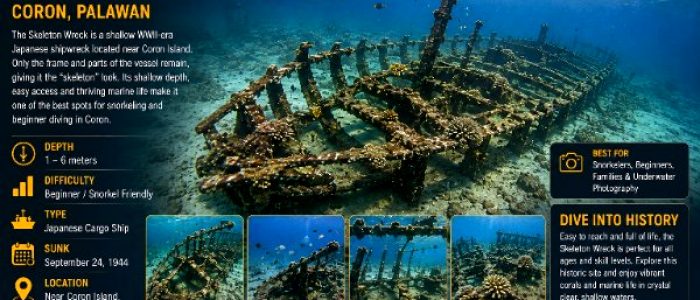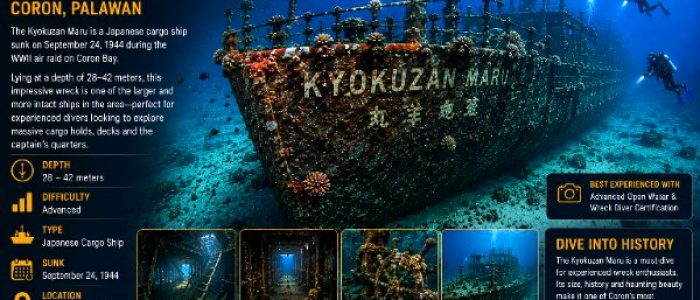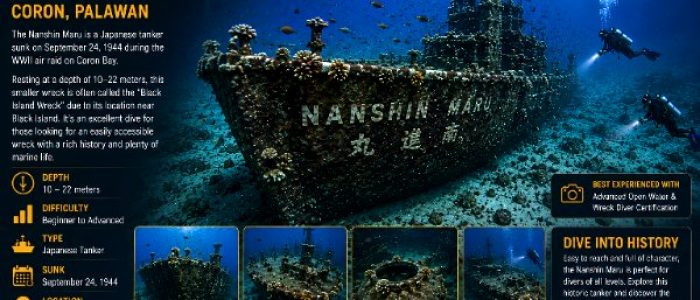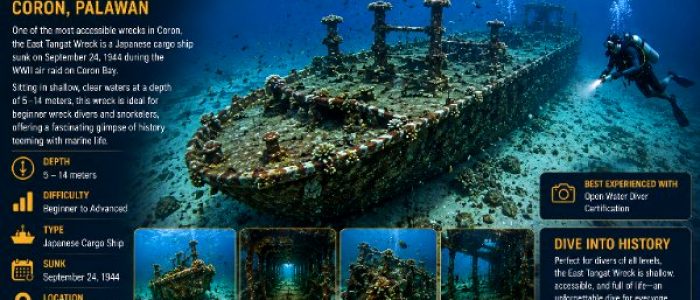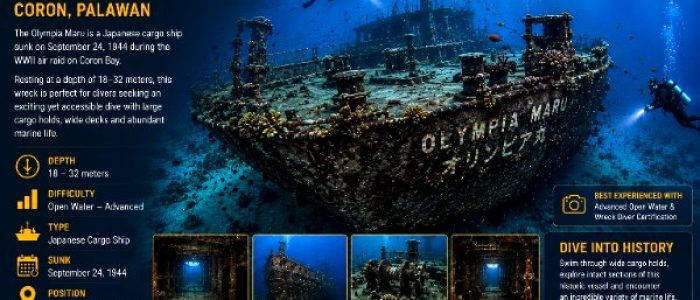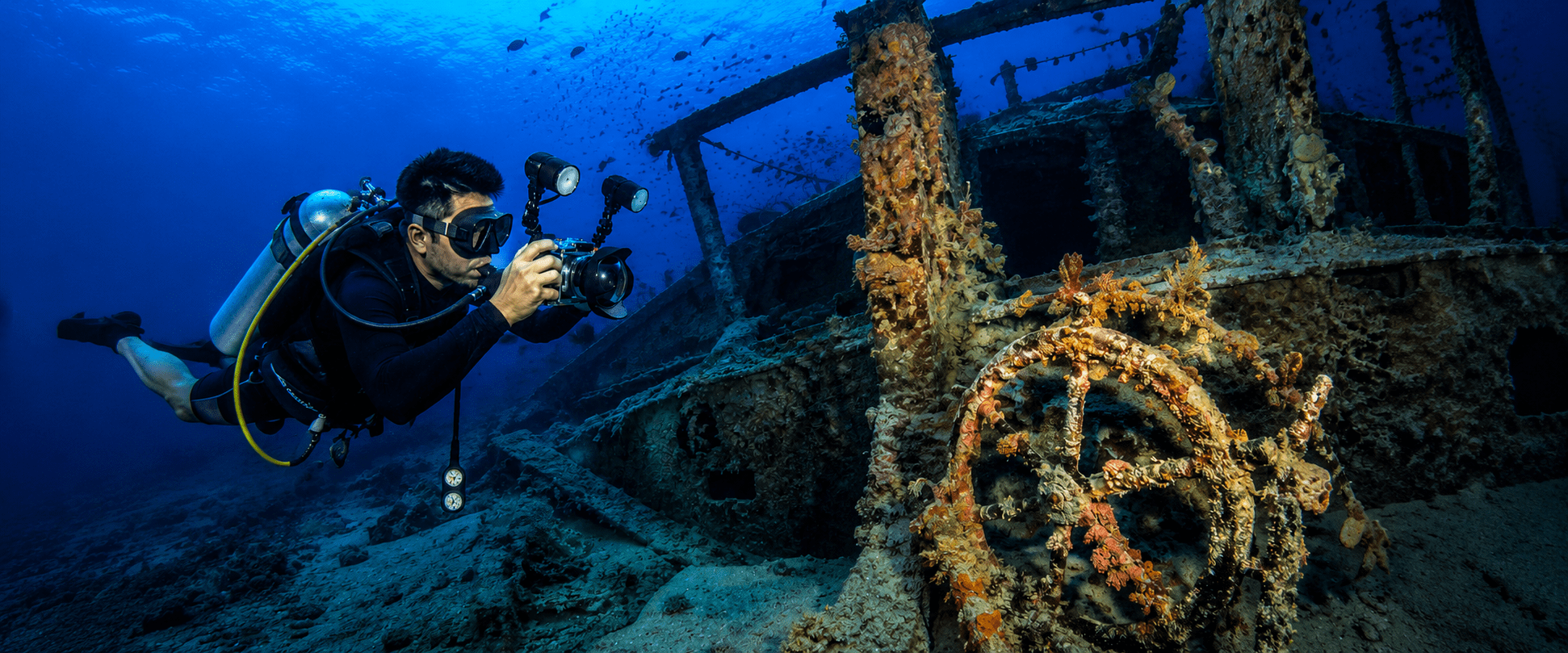
Coron Bay hosts some of the world’s most extraordinary WWII shipwrecks, where history and marine life converge in haunting beauty. These underwater memorials attract photographers seeking to capture their epic scale and vibrant ecosystems. However, responsible photography demands strict ethical guidelines to protect both the wrecks and their inhabitants.
Never touch or disturb the wrecks. These vessels are historical artifacts and war graves. Touching corrodes metal faster, removes protective layers, and damages centuries-old equipment still embedded inside. Maintain precise buoyancy control—even minor fin kicks stir silt that clouds shots and harms coral.
Avoid disturbing marine life. Don’t chase fish for better compositions or use torches to illuminate nocturnal creatures. Many species around wrecks are sensitive to light; excessive torch use stresses them and disrupts natural behaviors. Use natural light whenever possible, positioning yourself to capture sunlight filtering through openings.
Stay aware of your surroundings. While focusing on your camera, divers often drift into wrecks or collide with coral. Keep constant awareness of your position relative to the wreck and other divers. Never anchor cameras on wrecks or rest equipment against fragile structures.
Respect visibility limits. Coron’s wrecks often have 12–25 meters of visibility. Don’t push depth limits or enter confined spaces without proper training. Some wreck interiors require advanced cave diving certifications.
Capture Coron’s wrecks responsibly, honoring their historical significance while preserving them for future generations.